Humayun’s Tomb is one of Delhi’s most beautiful and historically significant monuments. Known as the first garden tomb in India, it marks a major turning point in Mughal architecture and later inspired iconic structures like the Taj Mahal. Surrounded by lush Mughal gardens, this monument is a perfect blend of history, art, and symmetry.
📜 History of Humayun’s Tomb
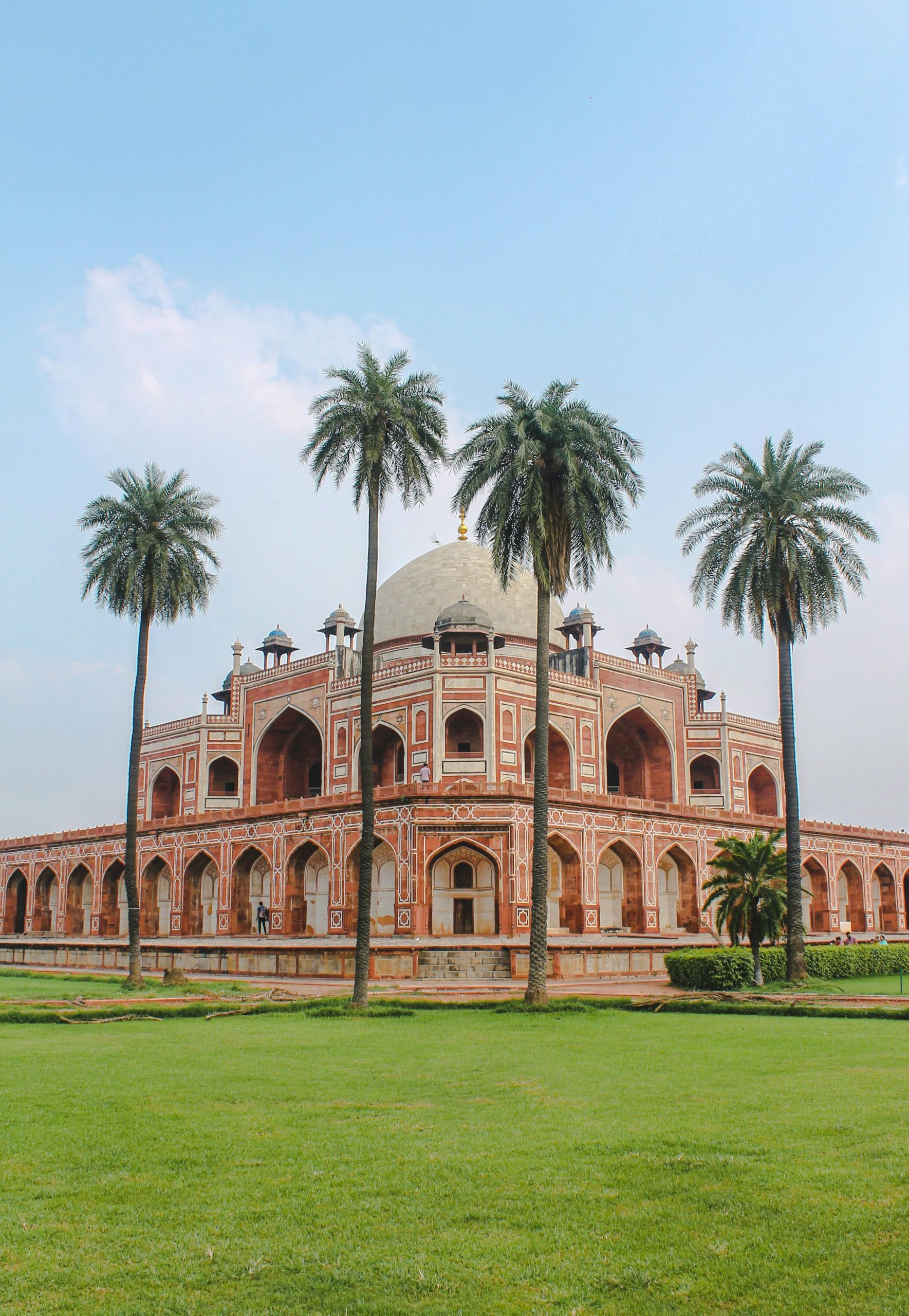
Humayun’s Tomb was built in 1570 by Empress Bega Begum, the wife of Mughal Emperor Humayun. Designed by Persian architect Mirak Mirza Ghiyas, it was the first monument in India to introduce the Persian-style Charbagh (four-part garden) layout. The tomb houses the remains of Emperor Humayun along with several other Mughal family members.
🏛️ Architecture & Design
Built using red sandstone and white marble, Humayun’s Tomb showcases the elegance of early Mughal architecture.
Key architectural highlights include:
-
Perfect symmetry and geometric design
-
A grand double dome
-
Charbagh-style gardens divided by water channels
-
Arched alcoves and intricate detailing
This architectural style later became the foundation for many Mughal monuments across India.
Humayun’s Tomb represents the evolution of Mughal architecture in India. Due to its outstanding historical and architectural value, it was declared a UNESCO World Heritage Site in 1993. Today, it stands as one of the finest examples of Indo-Persian design.
🎟️ Visitor Information
-
📍 Location: Nizamuddin East, New Delhi
-
⏰ Timings: 6:00 AM – 6:00 PM
-
🎫 Entry Fee:
-
Indians: ₹40
-
Foreigners: ₹600
-
📸 Best Time to Visit: Early morning or evening for pleasant weather and photography
✨ Why Visit Humayun’s Tomb?
-
To witness the origin of Mughal garden tombs
-
To explore a UNESCO World Heritage Site
-
Ideal for history lovers, photographers, and peaceful walks
-
One of the most scenic monuments in Delhi
While visiting Humayun’s Tomb, also explore nearby attractions like Sunder Nursery, Nizamuddin Dargah, and India Gate for a complete cultural experience.

 Travelochat.com
January 28, 2026
Travelochat.com
January 28, 2026