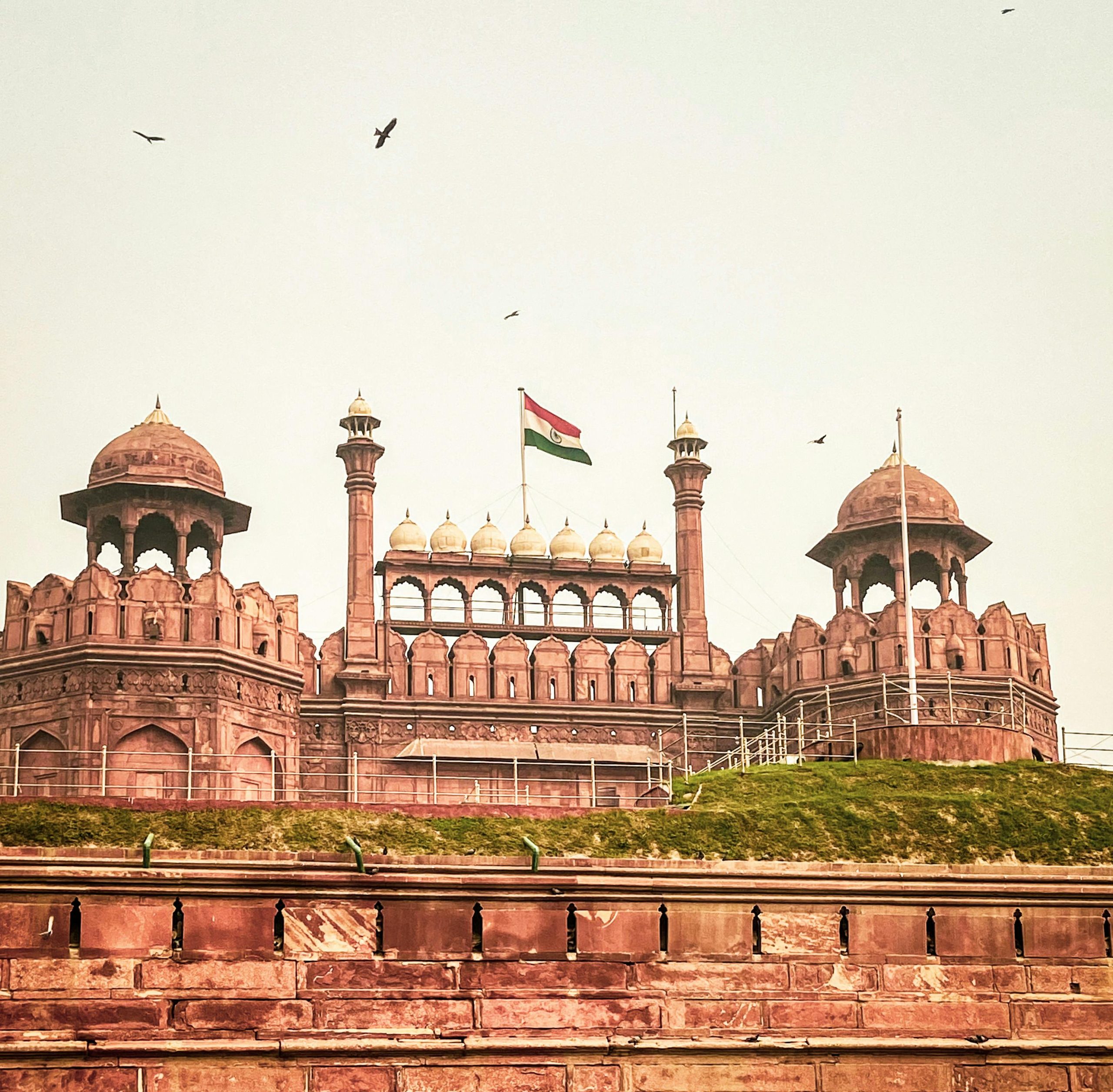
The Red Fort, popularly known as Lal Qila, is one of the most iconic historical monuments in Delhi. More than just a fort, it represents India’s rich past, royal heritage, and the spirit of independence. Every year on 15th August, the Prime Minister of India hoists the national flag here, making it a place of great national importance.
📜 History of the Red Fort
The Red Fort was built by Mughal Emperor Shah Jahan between 1638 and 1648 when he shifted his capital from Agra to Delhi. Constructed using red sandstone, the fort became the main residence of Mughal emperors for nearly 200 years. Its name comes from the massive red-colored walls that surround the complex.
🏯 Architecture & Design
The Red Fort is a brilliant example of Mughal architecture, blending Persian, Timurid, and Indian styles. Inside the fort, visitors can explore:
-
Diwan-e-Aam (Hall of Public Audience)
-
Diwan-e-Khaas (Hall of Private Audience)
-
Rang Mahal
-
Moti Masjid (Pearl Mosque)
The fort walls stretch for about 2 kilometers, adding to its grand and majestic appearance.
🇮🇳 National Importance
The Red Fort is closely associated with India’s freedom struggle. It stands today as a symbol of sovereignty and pride. Due to its historical and cultural value, it has been declared a UNESCO World Heritage Site.
🎟️ Visitor Information
-
📍 Location: Chandni Chowk, Old Delhi
-
⏰ Timings: 9:30 AM – 4:30 PM (Closed on Mondays)
-
🎫 Entry Fee:
-
Indian Citizens: ₹35
-
Foreign Nationals: ₹500
-
🌙 Light & Sound Show: Available in the evening, showcasing the history of the fort in an engaging way
✨ Why Visit the Red Fort?
-
To experience India’s rich history and heritage
-
To admire magnificent Mughal architecture
-
A must-visit attraction on any Delhi trip
-
Ideal for history lovers and photography enthusiasts
While visiting the Red Fort, don’t miss exploring Chandni Chowk, Jama Masjid, and the famous street food of Old Delhi for a complete cultural experience.

 Travelochat.com
January 25, 2026
Travelochat.com
January 25, 2026